
Introduction
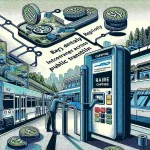
In recent years, public transit systems across the globe have undergone significant transformations to enhance user convenience and accessibility. One of the most revolutionary advancements has been the introduction of tap-to-pay systems, which allow passengers to easily pay their fares with contactless smart cards or mobile apps. A notable development is the integration of fare capping across regional interchanges, a change that promises to make public transit more affordable and user-friendly.
Understanding Tap-to-Pay Systems
Tap-to-pay systems enable commuters to pay their transit fares by simply tapping their contactless cards or mobile devices against a reader at entry and exit points. This technology streamlines the boarding process, significantly reduces wait times, and eliminates the need for cash transactions or paper tickets. The systems are designed to accommodate various payment methods, including bank cards and mobile wallets, enhancing accessibility for all riders.
The Mechanism of Fare Capping
Fare capping is an innovative approach that ensures commuters never pay more than a predetermined maximum amount for their travel within a specific time frame, typically a day or a week. Once a rider reaches the fare cap, further travel within that time period is free. This feature not only encourages more frequent use of public transport but also supports lower-income individuals who may struggle with daily commuting costs.
Integration Across Regional Interchanges
The integration of fare capping across regional interchanges is a significant step towards creating a seamless travel experience. With interconnected transit systems, passengers can transfer easily between buses, trams, and trains without worrying about accumulating costs. This is particularly beneficial for cities with extensive transit networks where commuters often switch between different modes of transportation.
Historical Context
The concept of fare capping is not entirely new. It has been successfully implemented in various cities worldwide, such as London, where the Oyster card system allows users to benefit from capped fares. However, the application of this model across regional interchanges is a relatively recent trend, gaining momentum as cities recognize the need for more efficient and equitable public transit solutions.
Benefits of Tap-to-Pay and Fare Capping
- Convenience: Commuters can enjoy a hassle-free payment experience, eliminating the need for exact change or waiting in long ticket lines.
- Cost Savings: Fare capping ensures that users do not exceed their budget, making public transport a more financially viable option.
- Increased Usage: With lower financial barriers, more individuals are likely to opt for public transport over personal vehicles, contributing to reduced traffic congestion and lower emissions.
- Accessibility: Tap-to-pay systems can be easily integrated with various payment methods, making them accessible to a wider range of users.
Challenges and Considerations
While the benefits of tap-to-pay and fare capping are clear, several challenges need to be addressed to ensure successful implementation:
- Initial Costs: Upgrading infrastructure to support tap-to-pay systems may require significant upfront investment from transit authorities.
- Technology Adoption: Ensuring all users, especially those less familiar with technology, can adapt to the new systems is crucial.
- Data Privacy: As these systems collect usage data, addressing privacy concerns and ensuring that user data is protected must be a priority.
Future Predictions
As cities continue to innovate within their public transit systems, the future of tap-to-pay and fare capping looks promising. With advancements in technology, we can expect to see:
- Enhanced User Interfaces: More user-friendly apps and interfaces that provide real-time fare updates and travel planning features.
- Broader Implementation: An increase in cities adopting similar systems, creating a network of seamless travel experiences across regions.
- Integration with Other Services: Future systems may integrate ride-sharing and other transportation options, providing a comprehensive travel solution for users.
Expert Insights
Transportation experts have highlighted the importance of these advancements in promoting sustainable urban mobility. Dr. Jane Smith, a leading transportation researcher, states, “The integration of tap-to-pay systems with fare capping is a game changer for public transit. It not only simplifies the payment process but also encourages greater public transport usage, which is essential for reducing urban congestion and pollution.”
Real-World Examples
Several cities have successfully implemented tap-to-pay systems with fare capping:
- London: The Oyster card system not only allows for easy fare payments but also includes a fare capping feature that benefits frequent travelers.
- San Francisco: The Clipper card allows users to connect various transit options, with a daily fare cap ensuring cost-effectiveness.
- Toronto: The Presto card system includes fare capping, streamlining fare payments across buses, streetcars, and subways.
Conclusion
The evolution of public transit through the introduction of tap-to-pay systems and fare capping is a significant step forward in creating accessible, efficient, and user-friendly transportation options. As cities worldwide continue to adopt these innovations, the future of public transit looks brighter, offering commuters a seamless and cost-effective way to navigate their urban environments. Embracing technology while ensuring inclusivity will be crucial in shaping the future of public transport for generations to come.