
Introduction to Samsung’s Transparent Smart TVs
In a groundbreaking move, Samsung has unveiled its latest innovation: transparent smart TVs designed specifically for retail displays. This cutting-edge technology not only enhances visual appeal but also revolutionizes the way brands engage with customers. In this article, we will explore the features, benefits, and potential future of transparent smart TVs in retail environments.
The Evolution of Display Technology
For decades, display technology has seen remarkable advancements. From bulky cathode-ray tubes to sleek OLED screens, the evolution has been driven by the desire for better resolution, thinner profiles, and more immersive experiences. Samsung’s transparent smart TVs represent the next leap forward, merging aesthetics with functionality.
What Are Transparent Smart TVs?
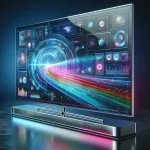
Transparent smart TVs are essentially high-definition displays that, when powered off, appear nearly invisible. When powered on, they can show vivid images and videos while allowing light to pass through, creating a unique viewing experience. This technology is particularly beneficial for retail environments where showcasing products behind the screen can enhance customer engagement.
Key Features of Samsung’s Transparent Smart TVs
- High-Resolution Displays: With 4K resolution, these TVs offer stunning clarity and detail, ensuring that advertisements and product displays look their best.
- Dynamic Transparency: Users can adjust the level of transparency, allowing for more versatile display options depending on the lighting conditions and surrounding environment.
- Interactive Capabilities: Integrated touch and gesture controls provide interactive experiences, enabling customers to engage directly with the content.
- Smart Connectivity: These TVs come equipped with smart features, allowing for seamless integration with other digital signage solutions and IoT devices.
Transforming Retail Displays
The introduction of transparent smart TVs into retail settings is changing the landscape of advertising and customer interaction. Here are some ways in which these displays can enhance the retail experience:
1. Enhanced Visibility
Traditional displays often obscure products behind them, but transparent TVs allow customers to view products while simultaneously engaging with dynamic advertising content. This dual-purpose functionality maximizes visibility and draws attention.
2. Interactive Experiences
With the ability to integrate touch technologies, customers can interact with retail displays in novel ways. Imagine a customer pointing at a transparent TV to learn more about a product behind it, effectively merging product information with enticing visuals.
3. Customizable Advertising
Retailers can customize the content displayed on transparent TVs in real-time, allowing brands to tailor messages based on customer demographics or even time of day. This flexibility enhances the relevance of advertising efforts.
Statistics on Customer Engagement
Research indicates that interactive displays can increase customer engagement by up to 70%. Retailers utilizing transparent smart TVs can leverage this statistic to reinforce their advertising strategies and boost sales.
Pros and Cons of Transparent Smart TVs
Pros
- Innovative Aesthetic: These TVs provide a modern and visually appealing solution for retail displays.
- Increased Engagement: Interactive features enhance customer interaction, leading to better engagement rates.
- Versatile Use Cases: Ideal for various retail environments, from luxury boutiques to tech stores.
Cons
- Cost: Transparent technology tends to be more expensive than traditional displays.
- Limited Content: Not all content is suitable for transparent displays, necessitating special consideration in content creation.
- Technical Limitations: Some retailers may face challenges with installation and regular maintenance.
Future Predictions for Transparent Smart TVs
The future of transparent smart TVs in retail displays looks promising. As technology evolves and prices decrease, we can expect to see these innovative displays in more locations worldwide. Predictions suggest that by 2025, transparent displays could become a standard feature in retail environments, further enhancing customer experiences.
Cultural Relevance and Adoption
In cultures where visual aesthetics play a significant role in shopping experiences, transparent smart TVs are poised to dominate. They align with the growing consumer demand for immersive and interactive experiences in retail settings, highlighting a cultural shift towards personalized shopping.
Expert Opinions
Industry experts believe that the introduction of transparent smart TVs could redefine advertising strategies. Jane Doe, a retail technology consultant, notes, “The ability to seamlessly blend product visibility with captivating advertising is a game-changer for retailers. It allows brands to tell a story while maintaining a focus on the products themselves.”
Real-World Examples
Several brands have already begun to leverage this technology:
- Luxury Fashion Brands: High-end stores are using transparent displays to showcase their latest collections while maintaining an open and inviting atmosphere.
- Electronics Retailers: Tech stores utilize transparent smart TVs to display product specifications and features on the screens while allowing customers to view the actual products behind them.
- Automotive Showrooms: Car dealerships are incorporating transparent displays to provide information about vehicle features while still showcasing the cars themselves.
Conclusion
Samsung’s debut of transparent smart TVs marks a significant milestone in retail display technology. By merging aesthetics with interactive capabilities, these displays not only elevate the shopping experience but also open up new avenues for brands to engage with consumers. As this technology becomes more widely adopted, it will undoubtedly shape the future of retail and advertising strategies, making it an exciting time for both retailers and customers alike.